


Why Panamá Is One of the Most Underrated Adventure Destinations in Central America
When people talk about adventure travel in Central America, Costa Rica usually gets all the attention. And for good reason. I’ve spent time there, enjoyed it, and written about it before. It has done an incredible job marketing itself as an adventure destination, and it absolutely delivers. But after this trip, I realized many of the best things to do in Panamá rival what Costa Rica is known for, they’re just far less talked about.
In a single journey, Quin and I moved through jungles, narrow canyons, steep mountain trails, remote islands, and historic city streets, all without feeling like we were repeating the same experience twice. Many of the places we visited required effort, planning, and sometimes a guide, but that was part of what made them feel special. Nothing felt overly built out for mass tourism, and that’s something I really appreciated.
Panamá rewards curiosity. If you’re willing to get muddy, hike steep trails, trust local knowledge, and stay flexible, it offers a huge range of adventures that still feel under the radar.
I genuinely enjoyed Panamá just as much as Costa Rica, and I think it has every reason to be part of the adventure travel conversation. It just hasn’t done as good of a job telling that story yet – I hope this Panama travel guide helps to convince you.
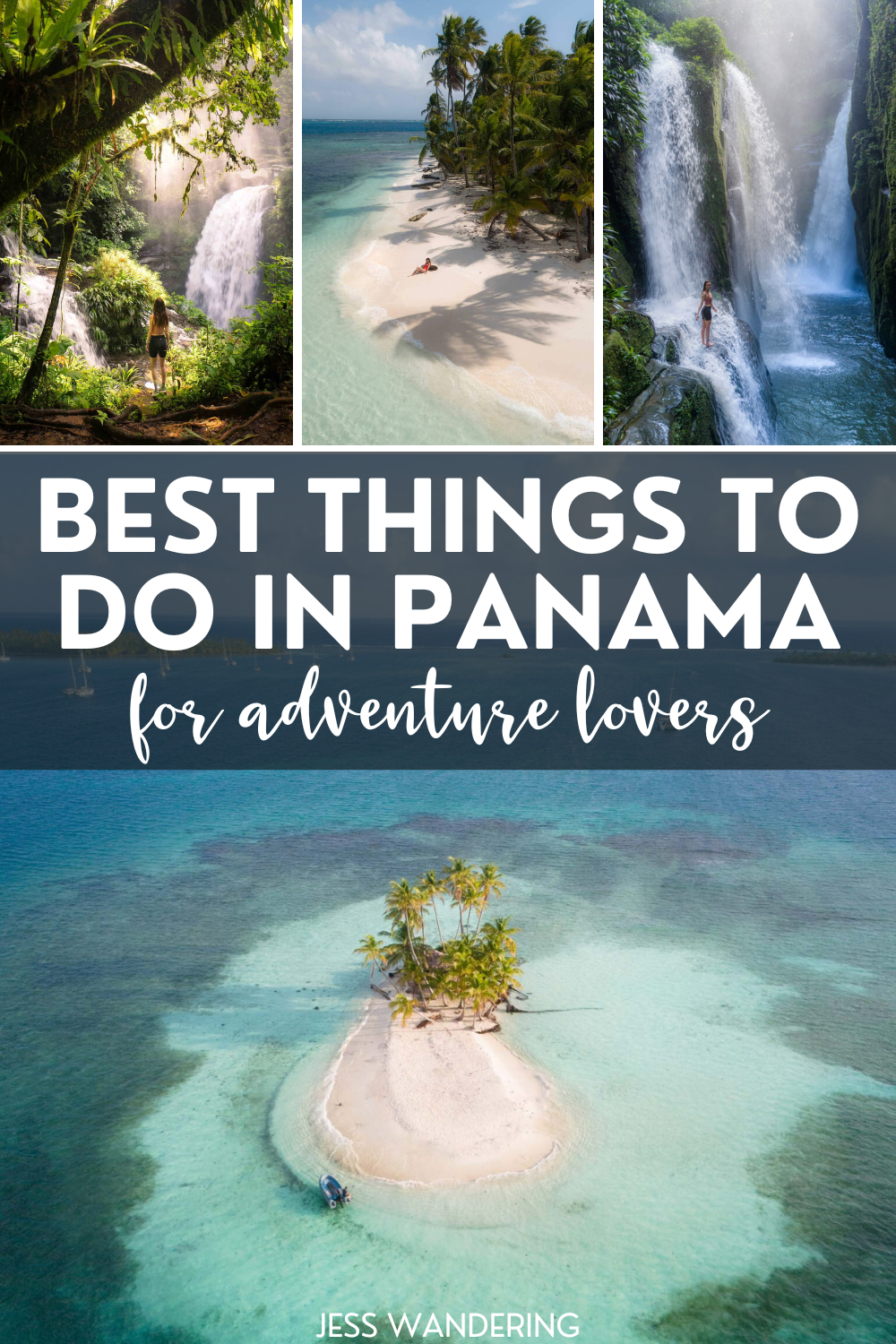
An Adventure-Filled Trip Through Panamá That Completely Surprised Me
I was first invited to Panamá to film a promotional video back in 2021. I went in with zero expectation, knowing almost nothing about Panamá other than that it was home to the Panama Canal.
I left knowing that I wanted to return as soon as possible. It took longer than I would have liked, but at the beginning of this year Quin and I made a last minute decision to bail on our planned trip to Tulum and head to Panamá instead.
We went for jungles, water, steep trails, and places that felt a little wild and slightly out of our comfort zone. I really loved being able to pack so much variety into a single trip without having to spend the entire time in the car!
Why We Chose Panamá and How Our Trip Began
The original reason we chose Panamá was to do a sailing trip through the San Blas Islands with Nomad Sailors. More on that later!
To make the most of the rest of the country, we booked a redeye flight into David and rented a car there, returning it in Panamá City at the end of the trip. This decision was motivated by the fact that flights to David were less expensive than Panamá City, even though the flight to David made a stop in Panamá City – I know. . . makes zero sense!
It may not have been the original plan, but it ended up being one of the best decisions we made. It saved us a ton of time in the car. Driving the car one direction meant we could move at our own pace and stop whenever something caught our attention without worrying about backtracking.
Many of the places we wanted to visit were on private land, required guides, or depended on timing and conditions. Having our own car and an open schedule made it much easier to adapt as we went, and it gave us some structure.
What followed was a mix of muddy trails, steep climbs, remote water, and places that required a little extra effort but delivered in a big way.
Here are the best adventures and the best things to do in Panama!
Best Things to Do in Panamá
1. Klosay Waterfall: A Muddy, Slippery Hike to One of Panamá’s Most Beautiful Waterfalls
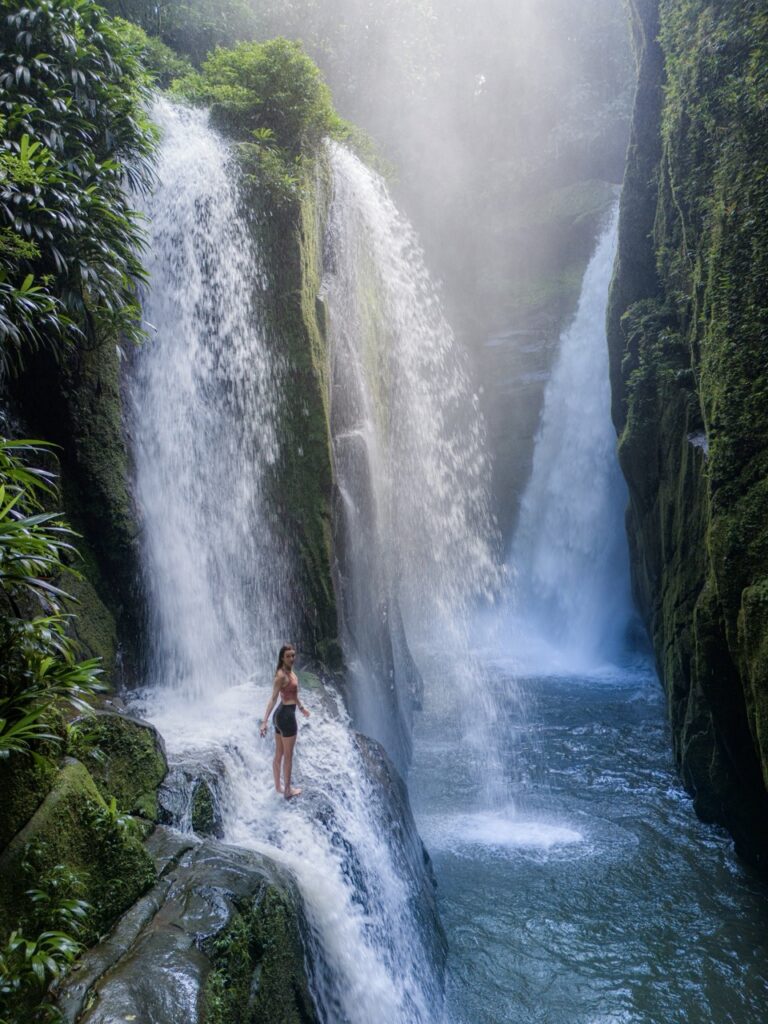
Our first real stop was Klosay Waterfall, and it immediately set the tone for the trip. Klosay is located on private property and requires a guide to visit. The hike itself is short, but do not let that fool you. It is steep, muddy, and genuinely slick.
The trail was super muddy when we visited, and Quin fell twice, which honestly never happens. Think slip-and-slide. That should tell you everything you need to know! This hike is only for people who are sure-footed and comfortable moving slowly and carefully on uneven terrain.
That said, the payoff is huge and it’s undoubtedly one of the best places to visit in Panama.
Once you reach the waterfall, everything else fades away. The setting is lush and dramatic, and it felt like we had stepped into a hidden pocket of paradise. It was spectacular and absolutely worth the effort, but I would not describe it as a casual stop.
We organized our guide through Klosay Panama. I would recommend contacting them through the WhatsApp number located on their Instagram page. We reached out a few days before we wanted to do the hike and that worked for us.
Our guide met us on the road below Klosay, fed us a traditional lunch, and then took us down the trail into the canyon. We were the only people there that day which was really special. The hike took around 2 hours round trip, and we spent about two hours exploring different view points in and around the falls.
As a note, our guide did not speak any English and was more like a chaperon in the background than a traditional guide. Which was totally fine with us! But I want to set appropriate expectations!
2. Cañon Macho de Monte: Why This Jungle Canyon Requires a Guide and Perfect Timing
Next up was Cañon Macho de Monte. This was a location that I had briefly visited on my first trip to Panamá, and couldn’t wait to show Quin. We originally arrived thinking we could explore on our own, but it quickly became clear that getting into the canyon safely without a guide/ropes was not possible. Plus, as it turns out, guides are required here, and after seeing the terrain, it made complete sense.
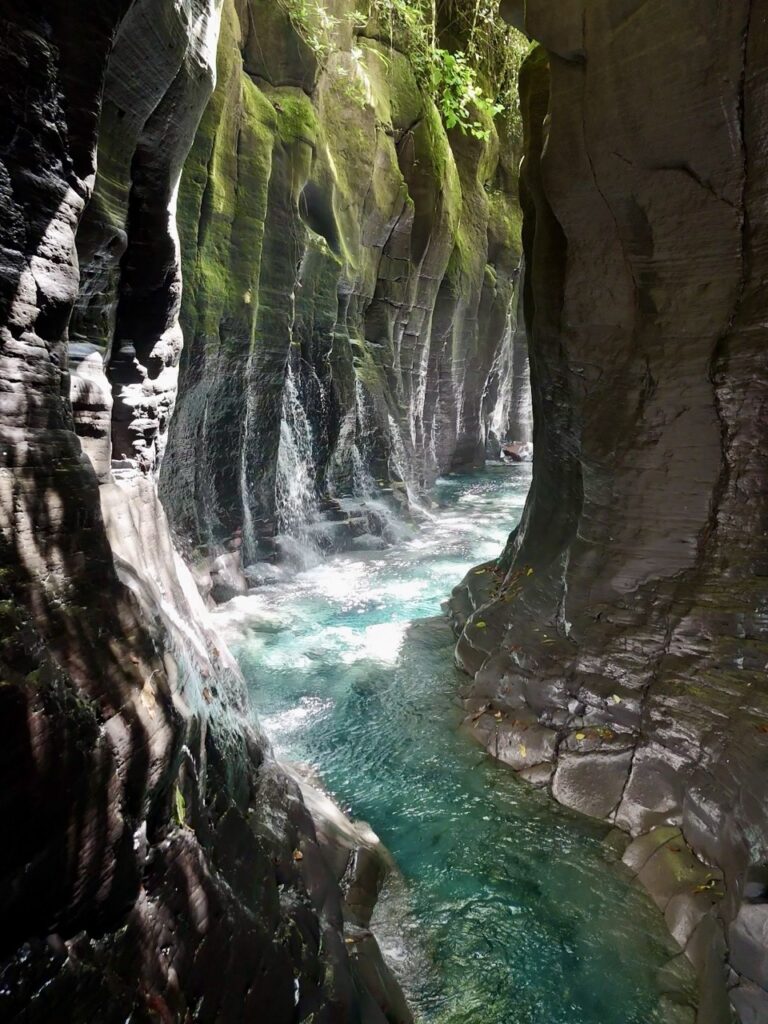
This canyon is best visited when the sun is high in the sky. When the light hits the water just right, the canyon fills with these unreal shades of bright blue that almost don’t look real. Timing and sun matters more here than almost anywhere else we visited in Panamá.
This experience is super unique and not a traditional hike in any way. It’s more technical, more immersive, and requires a bit of trust in the process but it really is a top adventure experience in Panama.
The experience starts with a natural waterslide down into the canyon! It’s a bit of a bumpy intro, but still really fun. If you prefer you can also pay extra to rappel down into the canyon. From the entrance of the canyon you’ll follow the river for about 300 meters. The entire experience lasts about 3 hours.
If you’re looking for cool things to do in Panama, this is definitely one of the most unique experiences.
We explored Cañon Macho de Monte with Fostpa Panama. At the time of writing our guided tour with Fostpa Panamá was $55 USD per person. Unlike Klosay, our guides spoke perfect English and it was really easy to communicate with them about our needs.
Because there were 4 guides for the entire group, they were pretty chill about letting Quin and I lag behind to take photos and throw up the drone for a quick flight.
3. Kiki Waterfall: A Remote Jungle Waterfall That Feels Truly Earned
I didn’t make it back to Kiki Waterfall on this trip, but it’s one of the places that stayed with me most from my first visit to Panamá. It’s remote, HUGE, and takes a bit of effort to reach, which is exactly why it stands out.
Kiki Waterfall is tucked deep in the Ngäbe-Buglé Comarca, a rugged indigenous region in Panama’s Chiriquí province. Just getting to the trailhead is arguably the hardest part. The drive involves a long stretch of rough dirt road, and a 4×4 is strongly recommended. When I visited, we went with local guides who handled both the driving and access, and I honestly wouldn’t do it any other way. The roads can be muddy and slow, cell service is limited, and conditions can change quickly, so local knowledge is super helpful.
From the trailhead, the hike to the waterfall is relatively short, roughly 30 minutes each way, but it’s steep, uneven, and often muddy depending on recent rain. This isn’t a technical hike, but it does require you to pay attention. Prepared to get dirty!
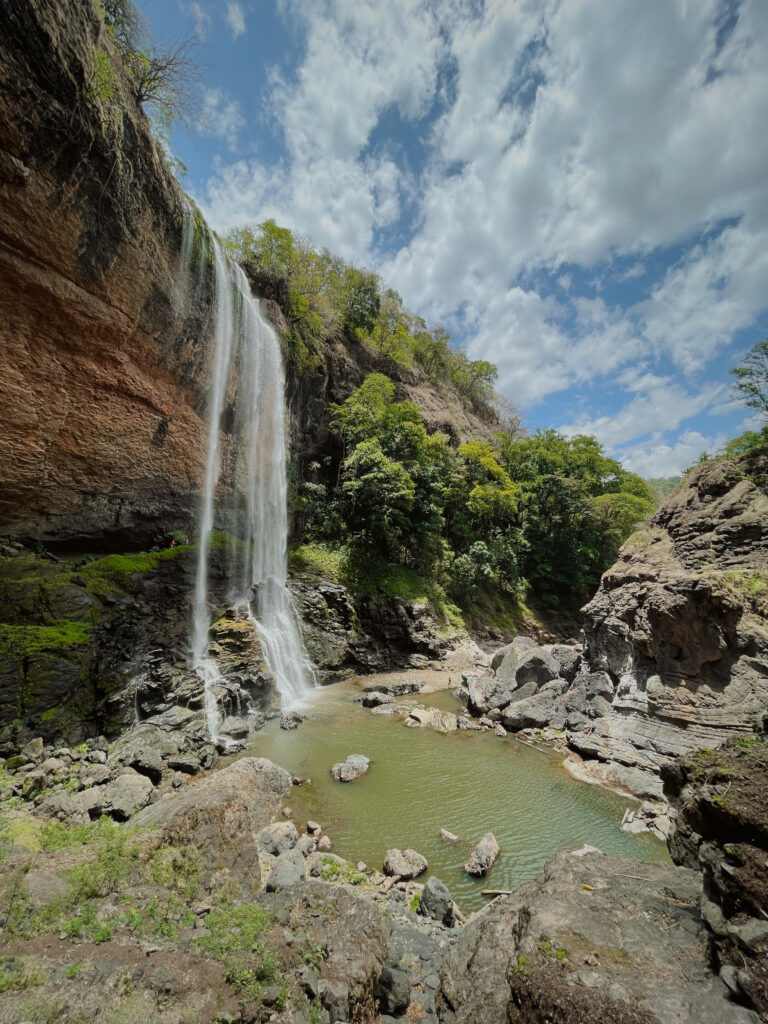
The waterfall itself is massive. With more than 100 meters of water plunging into a lush jungle pool, it’s one of the largest and most powerful waterfalls in Panamá. When you arrive, there’s a fun sense of having earned the experience. You can swim in the pools below, sit near the base of the falls, and explore the many different view points, it is one of the most fun things to do in Panama and a reward for getting there!.
Because of where Kiki is located, access and land management are important to be mindful of. Going with a local guide helps ensure you’re visiting responsibly and safely, and many guides operate out of the Boquete or David area, often including transportation and logistics as part of the day.
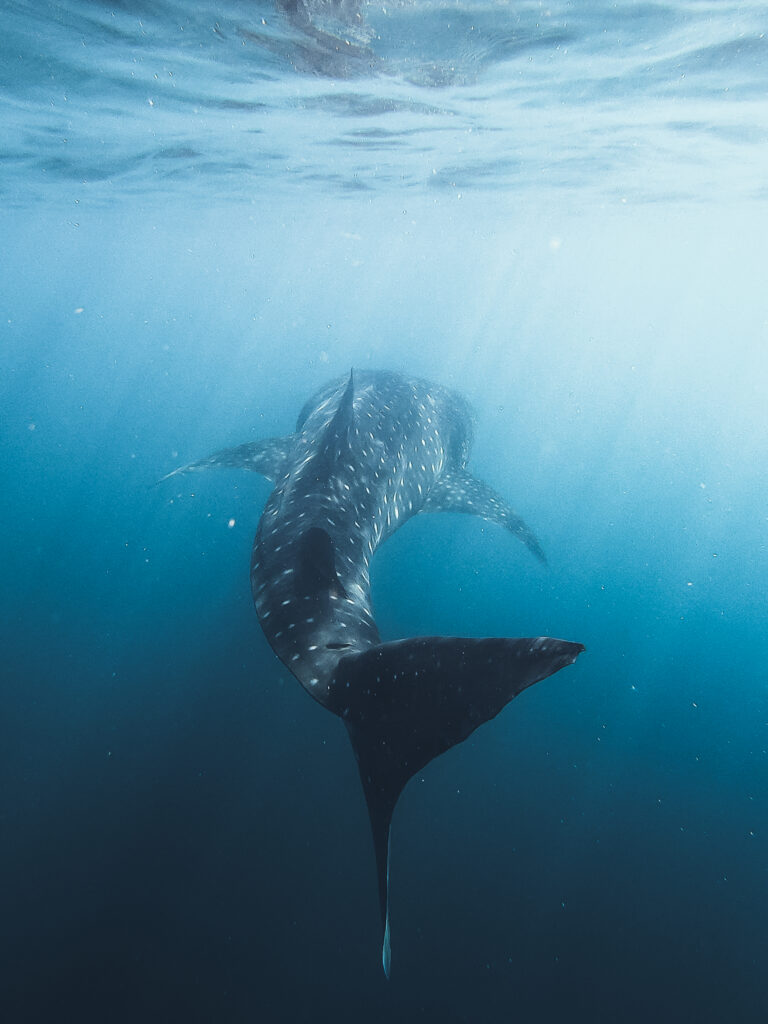
4. Coiba National Park: A Full-Day Trip for Snorkeling, Wildlife, and One of Panama’s Wildest Places
Coiba is a protected UNESCO marine national park off Panama’s Pacific coast and is known for having some of the healthiest reefs and most diverse marine life in the region. Because of how remote it is and how strictly it’s protected, visiting requires going with a licensed operator and spending a good amount of time on the water.
We went with Expedición Coiba Panamá. We met at their dive shop in town at 7:45am and didn’t return until around 4:30pm, so plan on a very full day. The boat ride out to Coiba can take almost almost 2 hours each way, depending on conditions, and it can be choppy, especially on the return. If you are prone to motion sickness you’ll definitely want to take something before jumping on board!
The snorkeling itself was excellent. Visibility can vary, but the amount of marine life makes up for it. Coiba is known for turtles, reef sharks, rays, massive schools of fish, and seasonal visitors like humpback whales. If I’m being honest, snorkeling here mostly left me wishing I had more time underwater.
If I could do this over again, I would absolutely plan an extra day in Coiba to do a dedicated scuba diving trip as well. The park is known for deep-water marine life, and diving here gives you access to species and encounters you simply don’t get while snorkeling. It feels like one of those places where snorkeling is just the introduction because it really is one of the most beautiful places to experience diving.
Timing matters. The best season to visit Coiba is generally during the dry season from December through April, when seas are calmer and visibility is often better. Coiba is also one of the few places in the world where whale sharks can be spotted in their natural habitat. Whale shark season typically runs from January through March, though sightings are never guaranteed.
The cost for the day trip was $165 USD, which included the boat, guides, snorkeling gear, and logistics. Given how remote Coiba is and the level of protection in place, it felt like good value for the experience.
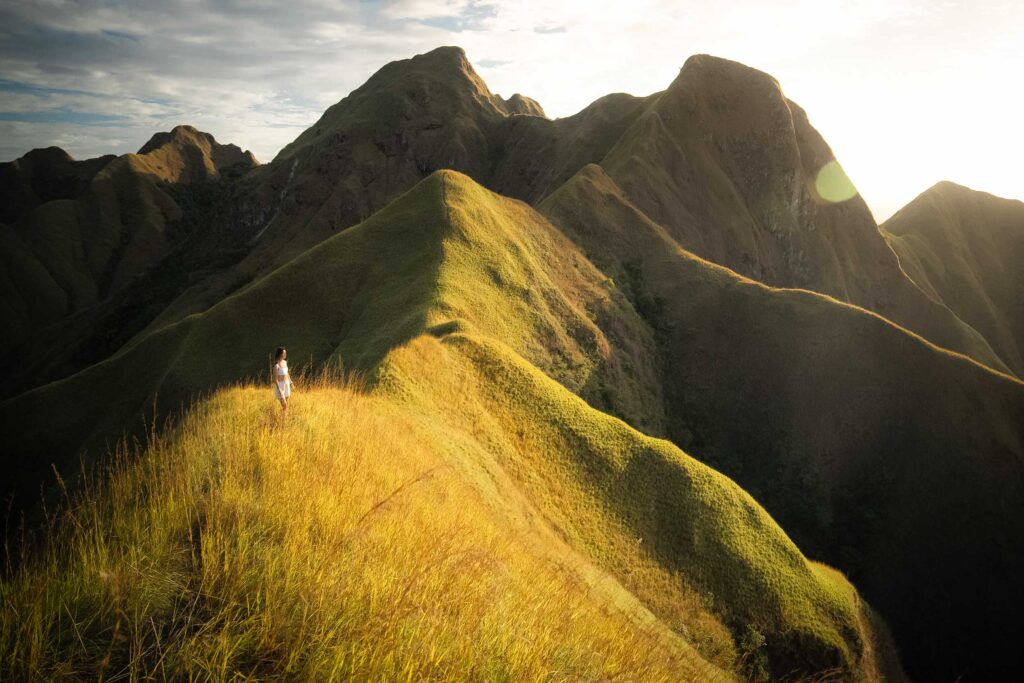
5. Picachos de Ola: Sunrise on a Steep Ridge With Epic Views
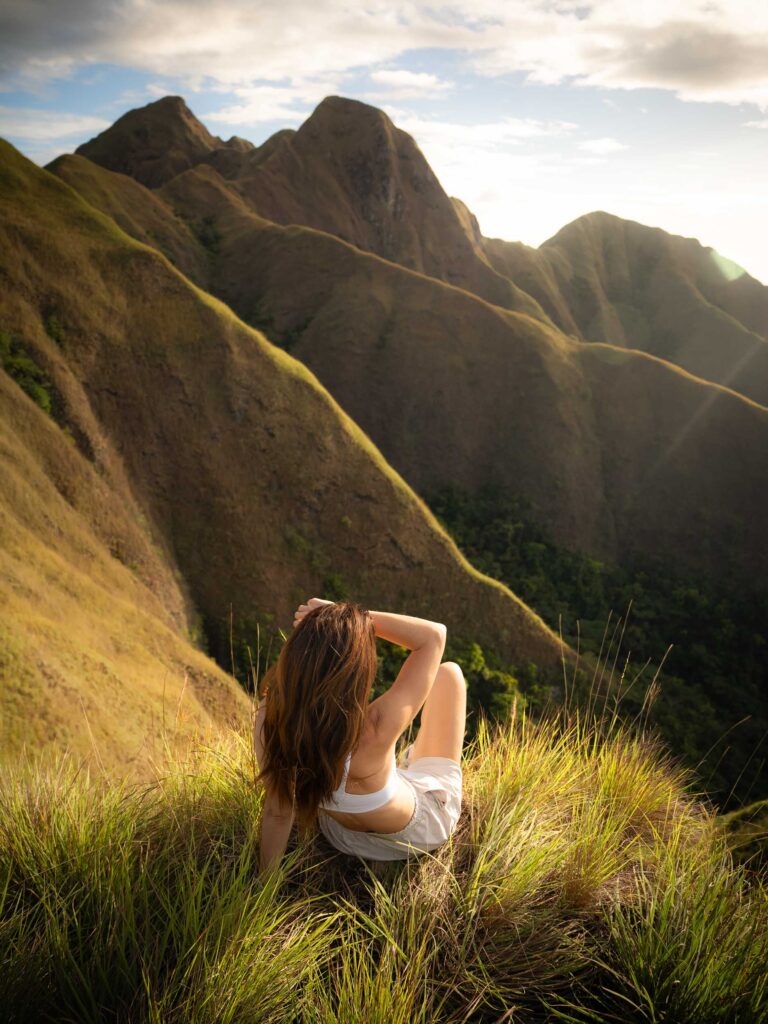
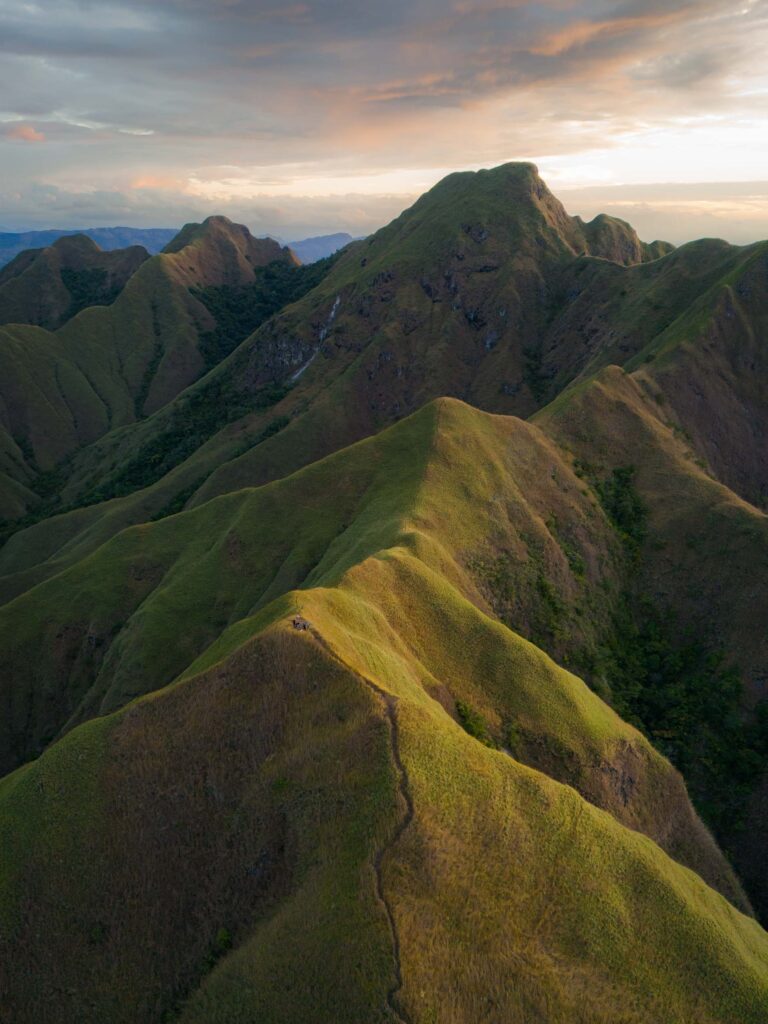
Picachos de Ola is one of those hikes that looks beautiful in photos and even more dramatic in person. Located just outside the small town of Olá, this ridge trail rises sharply above the surrounding plains and opens up into some of the most striking mountain views in the country.
Quin and I met up with our friend Jerry and a couple of others at a gas station around 4:00am. From there it was about a 30-minute drive to the trailhead, which sits on private land near the outskirts of Olá. It’s worth noting that this hike is not officially marked and access is through private property, so having someone who knows the route and permission is extremely helpful.
We started hiking in the dark, using headlamps and flashlights to find our way up a steep, narrow ridge trail. The climb is short but persistent, and most online guides put the total distance at around 1.9 kilometers (about a mile) round trip with roughly 186 meters of elevation gain. The terrain isn’t technical, but the incline and exposure, especially in low light, make it feel serious. On the way up, the only sounds were our breathing and wind howling through the long grass.
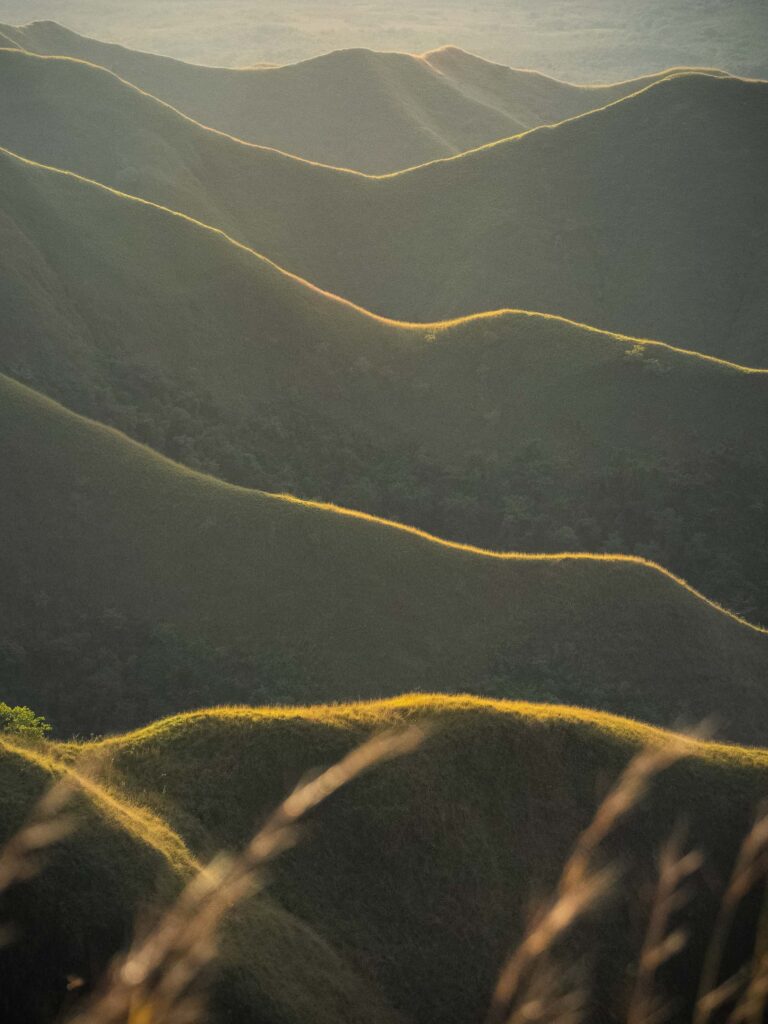
After about 40 minutes of steady uphill, we reached a flat stretch near the top and paused to wait for sunrise. As the sky lightened, the ridges and peaks around us came into view — layers of mountains bathed in soft gold light, stretching farther than you expect. The view felt otherworldly. We spent golden hour running around the ridge, taking photos and videos of the best views, and just breathing in the scene before hiking back down in daylight.
Jerry is an amazing adventure guide in Panamá with many local relationships and deep knowledge of the area. If you’d like to reach out to him about Los Picachos or other adventures in the area you can DM him at @jerryfit or contact him on WhatsApp (+507 6072-1256).
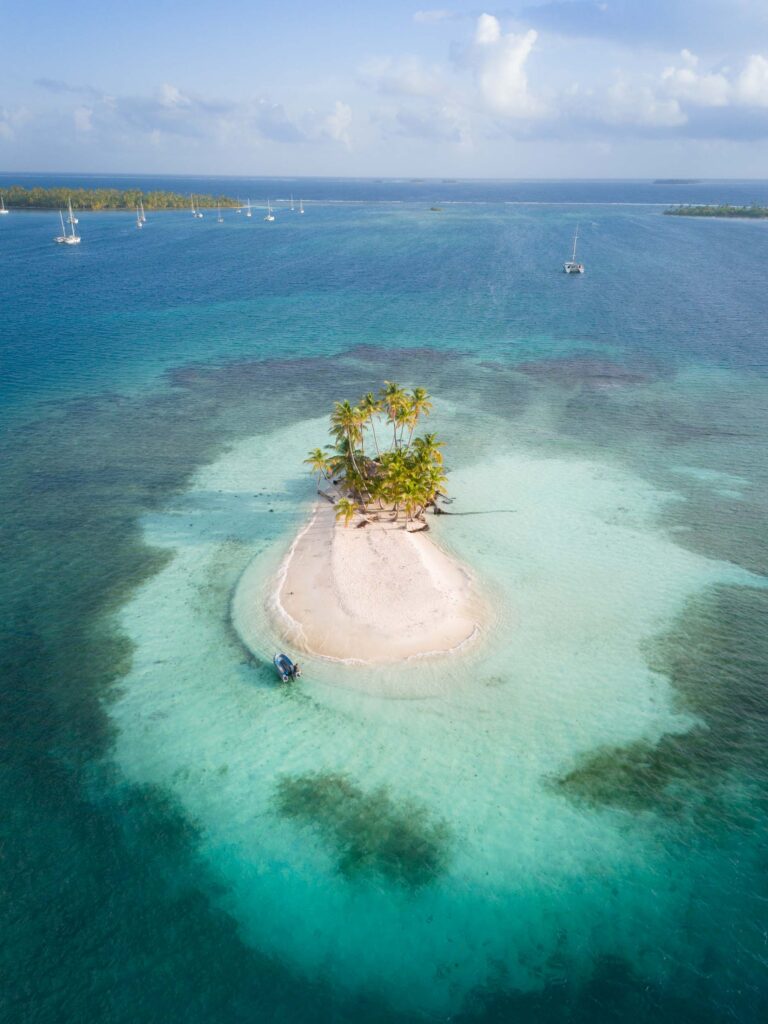
6. San Blas Islands (Guna Yala): Where Everything Finally Slowed Down
A boat trip through the San Blas Islands is one of the primary reasons we chose Panamá in the first place, and they ended up being the emotional anchor of the entire trip. After days of muddy trails, steep hikes, and early mornings, this was exactly what we needed.
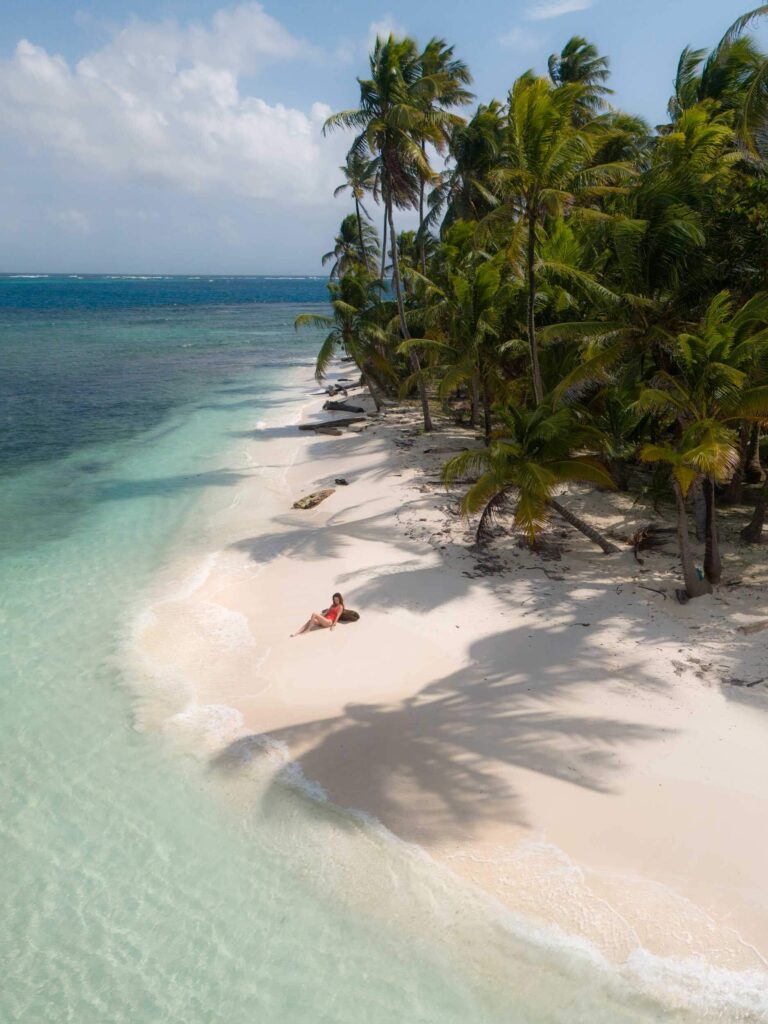
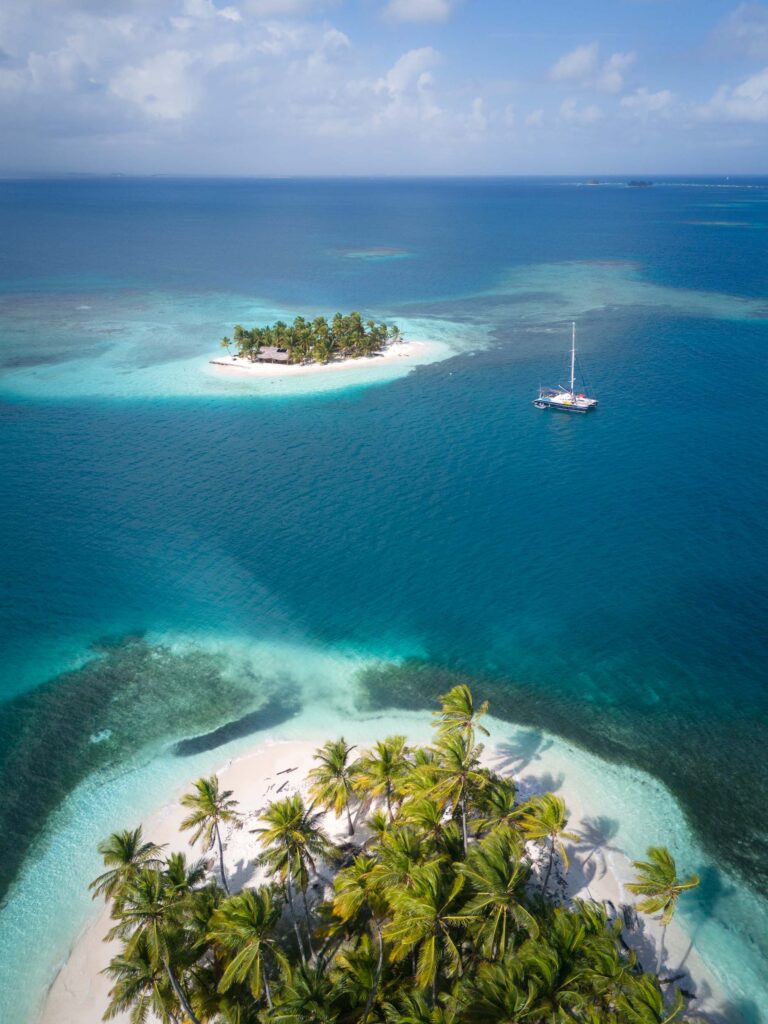
San Blas is made up of hundreds of small islands scattered just off Panama’s coast, home to the Guna people, who have protected their land, culture, and way of life with incredible intention.The islands are simple, palm-lined, and often completely undeveloped. No roads. No resorts. Just white sand, clear waters, and boats quietly moving between islands, it’s a nature lovers paradise.
It’s possible to stay on many of the islands in small homestays, but if you have the time, I think sailing is by far the best way to experience Guna Yala.
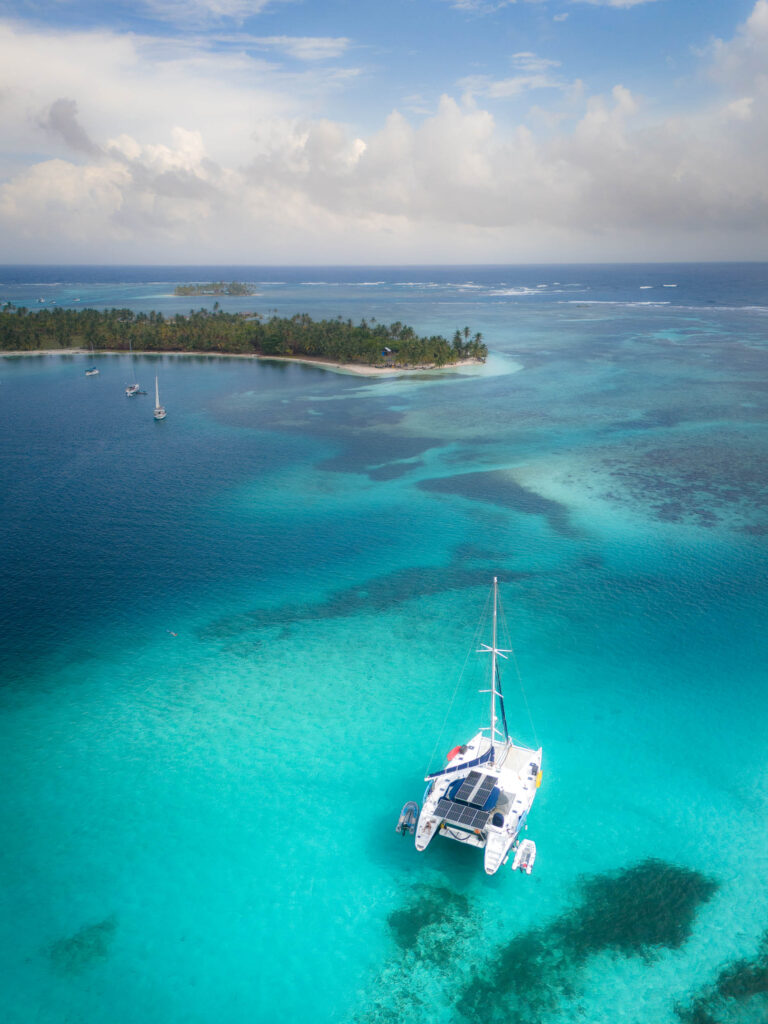
We sailed through the San Blas Islands with Nomad Sailors, and it was genuinely the best way we could have experienced San Blas. We were on a Lagoon 57 catamaran, which struck a rare balance between comfort and adventure. Spacious private rooms, a private chef, and Starlink made it feel luxurious, but never disconnected from the place we were in.
We spent three nights on the boat, which gave us two full days to explore the islands. We had unusually rainy weather for January, so that extra time really helped. We were often the only people on the islands we visited, swimming, snorkeling, and wandering barefoot on white sandy beaches with no agenda.
Some islands had small Guna communities, others were completely uninhabited. Moving through a place where life feels simpler was a really nice way to end the trip.
The Logistics of Visiting San Blas
Getting to San Blas is not glamorous. We hired a driver from Panamá City, and six of us were packed into a car for the two-hour drive. The last hour is steep, winding, and feels like a roller coaster. If you get carsick, do not sit in the back. The harbor itself is chaotic and overwhelming, and for a brief moment it feels like you’ve made a terrible mistake. But as soon as we stepped on board our Catimeran, all the pent-up stress from the morning melted away.
If you’re considering visiting the San Blas Islands, I truly believe sailing offers the best experience. Staying on a boat allows you to reach quieter islands, avoid day-trip crowds, and fully settle into the rhythm of the place. I’ve linked Nomad Sailors here because it’s who we sailed with and who I’d recommend to friends without hesitation. It felt thoughtful, well-run, and aligned with the kind of experience we were hoping for.
San Blas deserves its own dedicated post, and I’ll share a much deeper look at the islands, logistics, and life on the boat soon. But if you’re deciding whether it’s worth including in your Panamá itinerary, this was without question one of the most special parts of the trip.
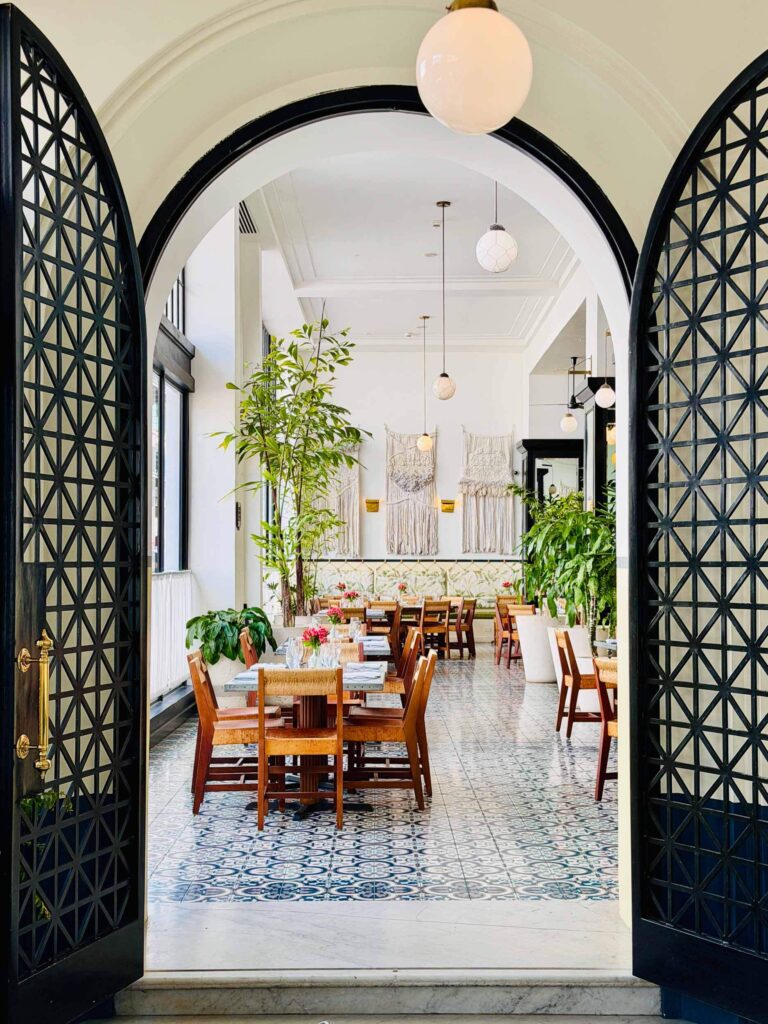
7. Casco Viejo: Where to Stay, Eat, and Wander in Panamá City’s Historic Center
Casco Viejo is Panamá City’s historic district, and it’s one of the best places to stay in Panama if you want culture, walkability, and atmosphere all in one place. After spending most of this trip chasing adventure, Casco Viejo felt like a new chapter without losing the sense of character and place that made Panamá so special.
The neighborhood is known for its colorful colonial buildings, narrow cobblestone streets, balconies covered in plants, and a growing mix of cafes, boutiques, rooftop bars, and boutique hotels. The best part? It’s easy to explore entirely on foot!
Where to Stay in Casco Viejo
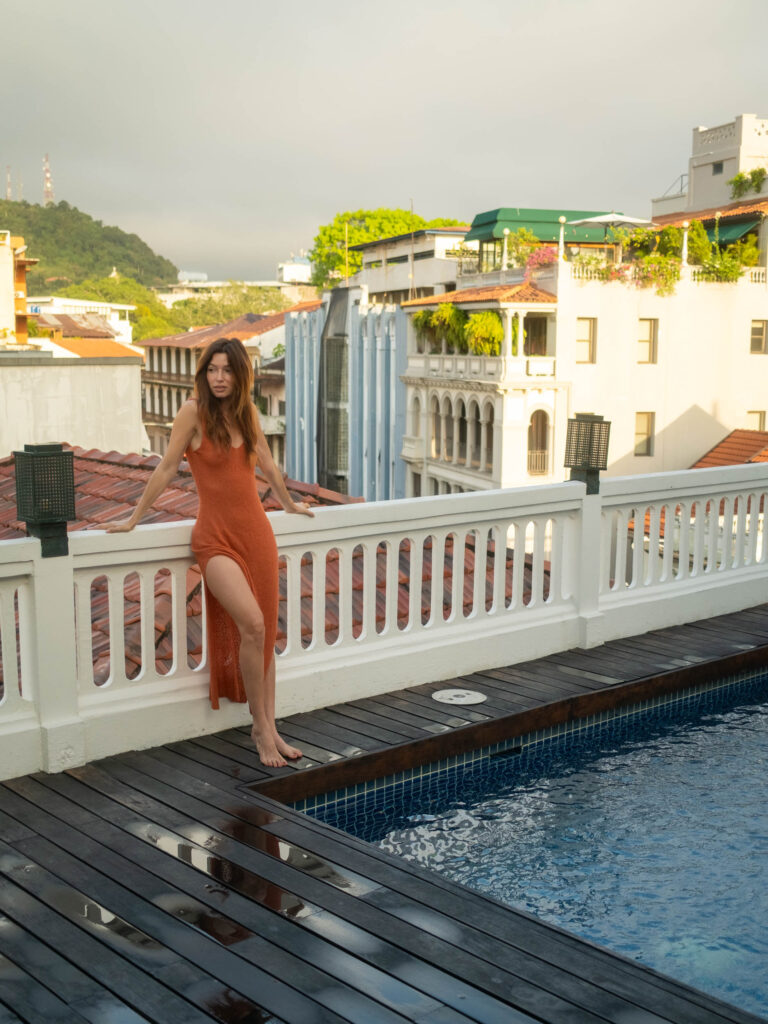
We spent our last night in Panamá at the American Trade Hotel, and it was the perfect way to end the trip. The hotel has a cinematic, old-world feel that genuinely made it feel like staying inside a movie set. Plus, it’s located right in the heart of Casco Viejo. It’s a great option if you want something stylish and iconic. Everyone was so incredibly helpful too!
If I were planning another visit, I’d love to stay at Amarla Boutique Hotel. It’s smaller and more intimate, with beautiful design and a calmer vibe, while still being centrally located. It feels like a great choice if you want a smaller boutique hotel experience in Casco Viejo.
Where to Eat and Drink in Casco Viejo
Casco Viejo is one of the best areas in Panamá City for food. I was only there for about 24 hours, but some of my favorite spots were La Pulperia Casco Antiguo for a vibey atmosphere, Mahalo Cocina y Jardín for a relaxed meal in a beautiful setting, and Café Unido for consistently great coffee.
In between meals, it’s easy to pop into small shops, linger at cafes, or head up to one of the many rooftop bars or pools scattered throughout the neighborhood.
Casco Viejo is an ideal place to stay if you want to balance adventure travel in Panamá with good local food, design-forward hotels, and a walkable historic setting. Even if your trip is mostly focused on the outdoors, spending at least a couple of nights here adds depth and balance to the experience and is still one of the best things to do in Panama..
Practical Travel Tips for Adventure Travel in Panamá
Panamá is relatively easy to travel through, but there are a few things that will make your trip smoother if you know them ahead of time.
Cash is paramount. Panamá uses the US dollar, but many local guides, drivers, and small operators are cash-only, especially in more remote areas. This was true for waterfall guides, canyon access, and even our transportation to San Blas: many of the best places to visit in Panama require cash.
ATMs are easy to find in Panamá City, David, and larger towns, but they become much less reliable once you head into rural areas. Carry small bills whenever possible.
Guides are often required. Several of the best adventure experiences in Panamá are on private or community land, and access depends on working with local guides. This isn’t just about rules, it’s about safety, timing, and supporting locals. Every time we hired a guide, the experience was better and less stressful and in most cases it’s the best way to see the top things to do in Panama.
Transportation matters. Renting a car in Panama gives you flexibility, but not all roads are equal. A 4×4 is strongly recommended if you plan to visit remote waterfalls or drive long stretches of dirt road. With the exception of Kiki Falls, we were fine with a standard vehicle, but we really didn’t venture too far off any paved roads. For places like San Blas, hiring a driver makes far more sense than driving yourself.
Be prepared for weather and terrain. Trails are often muddy, steep, and slippery, even if they’re short. Good footwear, a change of dry clothes, and dry bags are not optional if you’re doing adventure-focused outdoor activities.
Best Time to Visit Panamá for Adventure Travel
Panamá is a year-round destination, but timing does make a difference depending on what you want to do.
The dry season runs roughly from December through April (although our trip in mid January was still quite wet) and is generally the best time for adventure travel. Trails are more manageable, river crossings are safer, and boat conditions are often calmer.
The green season runs from May through November and brings more rain, especially in the afternoons. Waterfalls are more powerful during this time, but trails can be muddier and access to some areas may be limited. That said, crowds are lower and the landscape is incredibly lush. For what it’s worth, my local friend Jerry said his favorite month is September.
If you’re interested in marine life, Coiba National Park can be visited year-round, but whale shark season typically runs from January through March. Conditions vary, and sightings are never guaranteed, but this window gives you the best chance.
How Long You Need in Panamá for a Trip Like This
Our trip was ten days, and while we managed to fit a lot in, it’s the minimum I’d suggest for an adventure-focused Panamá itinerary like this. It allows you to see a lot, but you’ll need to move fairly quickly and be selective about rest days. If I were planning this trip again, I’d add at least two more days, either to slow down the interior portion of the trip or to spend additional time diving in Coiba.
Two full weeks would be ideal, especially if you plan to spend several days sailing through the San Blas Islands. The pace in San Blas is slow by nature, and that’s part of the magic.
A Sample Adventure-Filled 10–14 Day Panamá Itinerary
This is a realistic Panamá itinerary based on our trip to help you plan what to do in Panama, with room to adjust depending on your pace and interests.
Days 1–2: Fly into David and Explore Western Panamá
Arrive in David on a redeye, pick up your rental car, and settle in. Use the first day to recover from travel and the second to visit Klosay Waterfall with a local guide. Expect muddy, steep trails and a big payoff.
After your morning at Klosay head to Boquete for the night. Spend the rest of the day exploring this cute mountain town, sampling Panama’s best coffee, and escaping the heat.
Day 3: Cañon Macho de Monte
Visit Cañon Macho de Monte with a guide. Plan this around midday when the sun is high to get the best light in the canyon. Our tour started at 9am and we finished up around noon, which was fine because the sky had clouded up by then.
After Canon Macho de Monte either spend another night in the area or start heading toward Santa Catalina and Coiba National Park.
Day 4: Travel Day or Optional Add-Ons
Use this day as a buffer. You could add another waterfall, rest, or begin moving toward the coast depending on your route.
Day 5: Coiba National Park Day Trip
Base yourself near Santa Catalina and do a full-day snorkeling trip to the UNESCO World Heritage Site of Coiba National Park. Start early and expect to return late afternoon. If you have more time, add an extra day here for scuba diving.
Day 6: Transit Toward Central Panamá
Base yourself in Olá, Panamá. From here, you can access steep ridge hikes like Picachos de Ola and explore lesser-known trails without the crowds you’ll find in more popular areas.
Day 7: Los Picachos
Wake up early to catch sunrise in the Los Picachos area. Trails are short but steep and can be hazardous, so plan accordingly. After your morning hike, head to Panamá City, return your rental car, and prepare for your transfer to San Blas early the next morning.
TIP: It’s best to book a hotel in Panamá City for the night before and after your San Blas adventure. That way you can leave any excess luggage that you won’t need behind. Storage is very limited both during transportation to San Blas, and on the sail boats.
Days 8–10: San Blas Islands Sailing Trip
Travel from Panamá City to the San Blas Islands and spend three nights sailing between islands. Two full days on the water gives you time to explore, wait out suboptimal weather, and fully slow down.
Days 11–12: Casco Viejo, Panamá City
Return to Panamá City, and spend time in Casco Viejo. Walk, eat well, visit cafes and rooftops, and ease back into city life.
Days 13–14 (Optional): Extra Time
Use extra days to slow the pace, add scuba diving in Coiba, check out additional waterfall hikes (there are so many good ones!), or simply rest.
Panamá ended up being one of those trips that quietly exceeded every expectation I had. It offers an incredible amount of variety in a relatively small country. I honestly believe it’s Central America’s must underated gem.
From muddy jungle hikes to remote islands and slow days on the water, every part of this trip felt rewarding in its own way and I hope this Panama travel guide showed that. If you’re looking for an adventure destination that still feels a little under the radar, Panamá is absolutely worth your time.
Like this post? Pin it for later and share it with others!












Thank you for sharing. Panamá was not on my bucket list, I confess. I pictured Panama being very urban while when I think of Costa Rica I think of jungles . I think the country just need to market themselves better
Glad you liked the post! I agree that it’s definitely not as well known as Costa Rica for adventure based travel. But it has so much to offer!
Waooo I’m Panamanian and I’m really impress how you describe our gem. Many places I didn’t know and the waterfalls are impressive in Boquete. The great experience in San Blas with Nomad Sailor it looks so Great experience and luxury.
I got the contacts cause I want to visit this year some places I haven’t visited.
Thank you for sharing to the world our beautiful Panama.
So glad you liked it!! Hope you get the opportunity to check some new places out. 🙂
Wow thanks for this great write up! Hoping to visit next year and this will be so helpful! 😊
Amazing! I hope you have a wonderful trip when you go. 🙂
Thank you so much for sharing your adventure in Panama. Definitely this is in my bucket list now. Thank you for all the tips and suggestions where to go and stay. Now, we’re planning to go next year 🙌🙌 thank you again.
Thanks for the information and insight. I really value and appreciate it, With all the love in my heart. Alway your friend. Rob